The internet has become a lifeline for education, communication, trade, and access to information.
Around the world, billions of people rely on it every day to stay connected. In Afghanistan, however,
internet services have often been disrupted or restricted. This raises questions about why such
restrictions happen, what impact they have on the population, and how people cope with these
challenges. This article explores the reasons behind internet restrictions in Afghanistan and
their broader consequences on society.
Why Internet Services Are Restricted in Afghanistan
Historical Background of Internet Access in Afghanistan
Afghanistan first gained widespread internet connectivity in the early 2000s. Since then,
telecommunications companies expanded coverage to many parts of the country. Mobile internet
services, in particular, became affordable and accessible even in rural regions.
For students, journalists, business owners, and ordinary citizens, internet access brought
new opportunities. However, political instability, security concerns, and infrastructure
limitations have always made internet availability fragile.
For More Information Click Here
Reasons for Internet Restrictions
There are several reasons why internet services in Afghanistan are restricted from time to time.
These include security concerns, political decisions, technical challenges, and economic
limitations. While the specific causes may vary, the most common explanations include:
1. Security Concerns
Governments around the world sometimes restrict internet access during periods of conflict
or unrest. In Afghanistan, authorities have restricted internet services during
sensitive political events or times of heightened security threats.
The main reason is to limit the spread of rumors, prevent the coordination of
violent activities, or reduce the circulation of unverified information.
2. Political Decisions
Political transitions in Afghanistan have also influenced how internet services are managed.
Restrictions may be imposed to control the flow of information or to manage
public opinion during times of uncertainty. In many countries, including Afghanistan,
internet access is seen as a tool that can influence social and political outcomes.
3. Technical and Infrastructure Limitations
Afghanistan faces unique technical challenges. The internet infrastructure depends
heavily on international connections, often through neighboring countries.
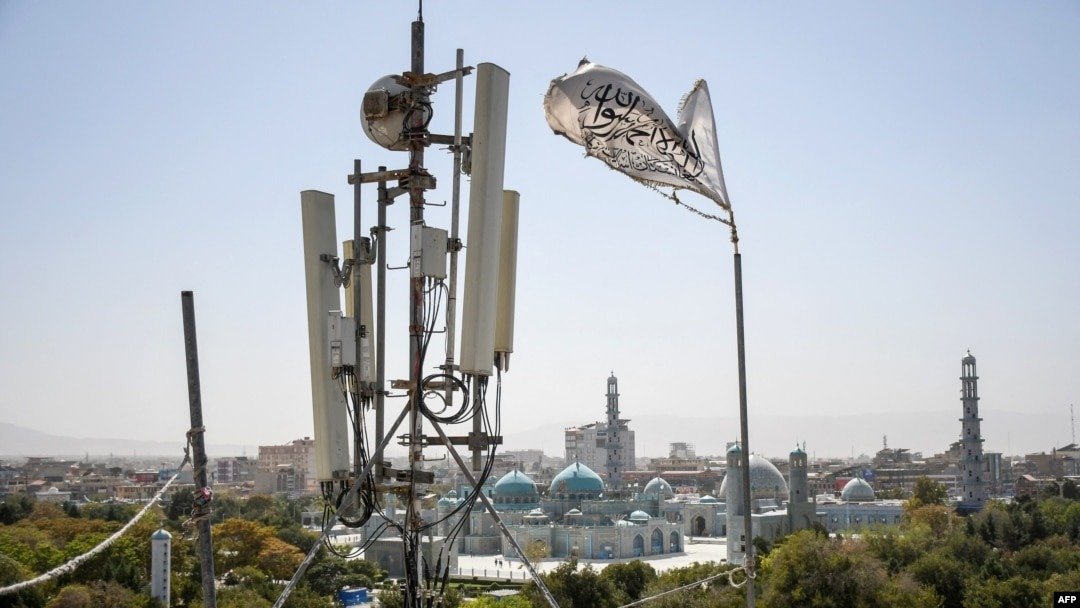
Fiber optic networks, satellites, and mobile towers are vulnerable to
disruptions caused by natural disasters, electricity shortages, or damage during conflict.
When infrastructure is compromised, entire regions may experience outages.
4. Economic Factors
Internet services are not free to provide. Telecom companies require stable investment,
international partnerships, and equipment. Due to sanctions and financial restrictions,
Afghanistan’s telecommunications sector sometimes struggles to maintain
uninterrupted services. High costs of maintenance can also lead to reduced coverage
and slower connections.
Impact on Society
Internet restrictions have far-reaching consequences for Afghan society.
They affect education, business, healthcare, journalism, and personal communication.
Below are some of the most visible effects:
1. Education
For students and teachers, the internet is a critical educational tool.
Online courses, research materials, and international collaboration
all depend on stable internet access. When the internet is restricted,
students lose valuable learning opportunities, especially in higher education.
2. Business and Economy
Small businesses, traders, and freelancers in Afghanistan rely on the internet to reach
customers inside and outside the country. Online payment systems, marketing, and
communication platforms all require connectivity. Disruptions slow down
economic growth and limit the ability of Afghan entrepreneurs to compete in
global markets.
3. Healthcare
Telemedicine and online medical resources are increasingly important in modern healthcare.
In Afghanistan, doctors and patients sometimes depend on the internet to access
life-saving information. Restrictions in this area can delay treatment,
especially in rural regions where in-person medical support is limited.
4. Journalism and Freedom of Information
Journalists and media organizations use the internet to gather news, verify facts,
and communicate with audiences. Restrictions make it harder for reliable
information to circulate, and citizens may struggle to access
international perspectives on local issues.
5. Personal Communication
For millions of Afghans, especially those with family members abroad,
the internet is a vital communication tool. Restrictions interrupt
video calls, messaging apps, and social media platforms, leaving
families disconnected during important moments.
How People Cope with Internet Restrictions
Despite the challenges, people in Afghanistan have found creative ways
to stay connected. Some rely on Virtual Private Networks (VPNs) to
access restricted services. Others turn to offline methods such as
radio, television, or printed materials. Businesses often prepare
backup systems or use international partners to maintain communication.
However, these solutions are temporary and cannot fully replace
reliable internet access.
Potential Solutions and the Way Forward
For Afghanistan to thrive in the modern digital age,
a stable and open internet is essential. Some potential solutions include:
- Investment in secure and reliable infrastructure
- Encouraging international partnerships for telecom development
- Ensuring that restrictions are limited and temporary
- Promoting digital literacy and responsible use of technology
If such measures are implemented, Afghan citizens can benefit from
a more stable, open, and affordable internet in the future.
Conclusion
Internet restrictions in Afghanistan are caused by a combination of
security concerns, political decisions, technical limitations, and
economic challenges. While these restrictions may serve short-term
purposes, they have long-term negative impacts on education, business,
healthcare, journalism, and personal lives. A reliable internet
connection is not just a luxury—it is a necessity for modern progress.
Afghanistan’s future depends on how well it balances security needs
with the undeniable benefits of open connectivity.